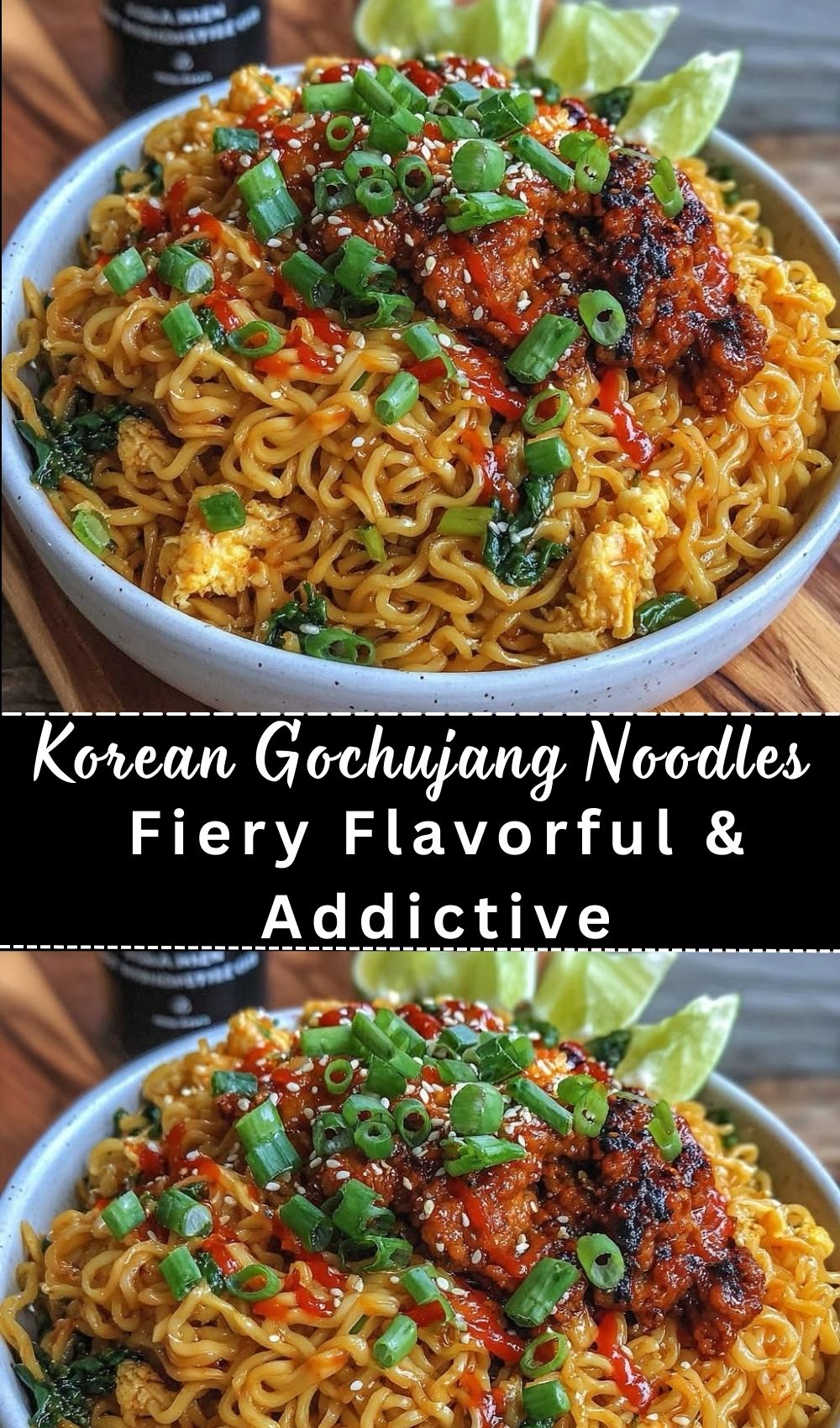
Spicy Korean Gochujang Noodles Fiery Flavorful & Addictive
The unmistakable aroma of sizzling garlic meeting smoky Korean gochujang is enough to awaken your appetite before the first bite. The nutty richness of sesame oil fills the air, and suddenly your kitchen feels like a vibrant Seoul night market alive with sound, spice, and anticipation. This is the magic of Spicy Korean Gochujang Noodles, a dish that’s as bold and fiery as it is comforting and addictive.
There’s something universal about spicy noodles. No matter where you are, a bowl of glossy, chili-coated noodles has a way of turning any day around. They’re the perfect balance between heat and happiness fiery enough to make you sweat a little, but flavorful enough to keep you coming back for another bite.
These noodles take that comfort and elevate it with gochujang, the heart of Korean cooking a fermented chili paste that’s savory, smoky, tangy, and just sweet enough to round out its punch. When tossed with perfectly chewy noodles, sautéed vegetables, and a hint of sesame, the result is a fiery harmony that lingers delightfully on your taste buds.
Imagine the first bite: the chewy noodles glide through a sauce that clings like silk, delivering layers of chili warmth, deep umami, and caramelized sweetness. Each mouthful hits a different note spicy, smoky, tangy, and sweet like a flavor symphony playing just for you.
In this recipe, you’ll learn how to build flavor step-by-step: creating a perfectly balanced sauce, marinating optional protein like chicken or tofu, and achieving that signature Korean-style stir-fry texture that’s slightly charred, glossy, and utterly addictive. Whether you’re a spice lover or a comfort food seeker, these noodles promise one thing satisfaction with a kick.
Background Story
The first time I had gochujang noodles was on a chilly evening in Seoul, tucked into a tiny food stall beneath neon lights. The chef cooked in a blur tossing noodles high in a wok, the scent of chili and garlic mingling with the crisp night air. When he handed me a steaming bowl of crimson-coated noodles, I didn’t know I was about to experience flavor bliss. One bite, and the fire met comfort bold yet balanced, like warmth in edible form.
Back home, that memory stayed with me. I tried instant noodles, bottled sauces, even takeout versions, but none had the same punch that perfect combination of sweetness, smokiness, and savory umami that only freshly made gochujang sauce delivers. So I set out to recreate it. What I discovered is that this dish, while tasting like restaurant perfection, is actually incredibly simple to make.
Cooking these noodles at home brings more than just flavor it brings the rhythm of the wok, the glow of chili-red sauce, and that satisfaction of mastering something so deeply comforting. Once you’ve made them, you’ll never look at packaged spicy noodles the same way again.
Recipe Information
| Category | Details |
|---|---|
| Prep Time | 20 minutes |
| Marination Time (if using protein) | 15–30 minutes |
| Cook Time | 15 minutes |
| Total Time | 45 minutes |
| Difficulty | Easy to Moderate |
| Servings | 2–3 |
| Cuisine | Korean / Asian Fusion |
| Course | Main Dish / Quick Meal |
| Diet | Non-vegetarian or vegetarian-friendly |
| Best For | Weeknight dinners, comfort cravings, spice lovers |
Ingredients with Notes
For the Sauce Base:
-
3 tbsp gochujang (Korean red chili paste): The star ingredient bold, smoky, and deeply umami.
-
1 tbsp soy sauce: Adds saltiness and complexity.
-
1 tbsp rice vinegar: Balances out the richness with gentle acidity.
-
1 tbsp honey or brown sugar: Rounds off the spice with subtle sweetness.
-
1 tbsp sesame oil: Nutty depth that ties the sauce together.
-
2 cloves garlic, minced: The aromatic soul of the dish.
-
½ tsp grated ginger: Brightens and adds gentle warmth.
-
2 tbsp water or broth: Adjusts consistency and helps the sauce cling to noodles.
Noodles:
-
250 g wheat or ramen noodles: Chewy and elastic to absorb the sauce.
-
Salt (for boiling): Enhances base flavor.
-
1 tsp sesame oil: Prevents sticking and adds a nutty touch.
For the Stir-Fry Mix:
-
1 small onion, thinly sliced: Natural sweetness that complements the spice.
-
½ cup julienned carrots: Crunch and color.
-
½ cup bell peppers (red/yellow): Sweet contrast to the chili heat.
-
1 cup cabbage or bok choy: Adds texture and freshness.
-
2 tbsp neutral oil (canola or sunflower): Perfect for high-heat stir-frying.
Optional Protein (Marinated):
-
200 g chicken, tofu, or shrimp: Choose your base.
-
Marinade: 1 tbsp soy sauce, 1 tsp garlic, ½ tsp gochugaru (Korean chili flakes), 1 tsp sesame oil, and ½ tsp sugar.
(Let it marinate 15–30 minutes this infuses the protein with deep flavor.)
Toppings & Garnish:
-
Toasted sesame seeds: Add crunch and nutty aroma.
-
Chopped green onions: Bright color and freshness.
-
Fried or poached egg: Creamy richness that balances the spice.
Step-by-Step Cooking Instructions
Step 1 – Preparing the Protein
If using chicken, tofu, or shrimp, combine soy sauce, garlic, sesame oil, sugar, and gochugaru. Marinate for 15–30 minutes.
This step builds the first layer of flavor when cooked, the protein will be caramelized on the edges and infused with Korean-style umami.
Step 2 – Mixing the Gochujang Sauce
In a small bowl, whisk together gochujang, soy sauce, rice vinegar, honey, sesame oil, garlic, ginger, and water. The sauce should taste savory, spicy, and balanced, with no single element overpowering the other. Adjust sweetness or heat as desired this is your flavor control moment.
Step 3 – Cooking the Noodles
Bring a pot of salted water to a boil. Add noodles and cook until just al dente soft but still springy. Drain and toss with a bit of sesame oil to prevent sticking. Overcooked noodles will lose that chewy texture so crucial to Korean dishes.
Step 4 – Stir-Frying the Base
Heat 2 tbsp of neutral oil in a wok or large pan over medium-high heat. Add onions, carrots, and bell peppers. Stir-fry for about 2 minutes until slightly softened but still crisp.
Add marinated protein now, searing it until cooked and golden. The combination of sweet vegetables and savory protein creates a balanced stir-fry base that will hold the sauce beautifully.
Step 5 – Adding the Sauce
Lower the heat slightly and pour in your prepared gochujang sauce. Let it bubble and thicken for 1–2 minutes, stirring constantly. The aroma here is intoxicating smoky, spicy, and slightly sweet. As the sauce heats, it turns glossy and clings to everything in the wok.
Step 6 – Combining Noodles & Sauce
Add noodles directly into the sauce mixture. Toss well using tongs until every strand is coated in that vibrant red glaze. Add a splash of broth or water if needed for silkiness. This is where the magic happens sauce meets chew, and every bite becomes an explosion of flavor.
Step 7 – Final Touch
Turn off the heat and drizzle with a few drops of sesame oil for aroma. Sprinkle toasted sesame seeds and chopped green onions. For the ultimate indulgence, top with a fried or poached egg the runny yolk mixes into the spicy sauce like creamy gold.
Pro Tips & Chef Secrets
-
Marinate proteins early it deepens the umami base.
-
Use fresh gochujang for vibrant color and flavor.
-
Balance spice with sweetness honey or brown sugar smooths the heat.
-
Do not skip vinegar it lifts the sauce and prevents heaviness.
-
Cook on high heat for wok-charred edges.
-
Add sauce last too early and it may burn.
-
Stir constantly for even coating and no sticking.
-
Noodle water = secret weapon for silky consistency.
-
Top with egg yolk for natural creaminess.
-
Use sesame oil off heat keeps aroma intact.
-
Add gochugaru if you want an extra fiery finish.
-
Garnish generously it makes the bowl pop visually and texturally.
Serving Suggestions
These noodles are a complete meal on their own, but pairing them right makes the experience even more satisfying.
-
Serve with kimchi or pickled radish for tangy contrast.
-
Add Korean cucumber salad (oi muchim) for freshness.
-
For a party platter, pair with crispy dumplings or tempura vegetables.
-
Keep beverages light iced green tea, barley tea, or sparkling water with lemon balance the heat perfectly.
-
For plating: twirl noodles high into a nest, top with egg, sprinkle sesame seeds, and drizzle a ring of sauce for restaurant-style elegance.
Variations
-
Creamy Gochujang Noodles: Add ¼ cup milk or cream to the sauce for a mellow spicy-sweet version.
-
Vegan Gochujang Bowl: Use tofu or mushrooms, skip honey, and substitute mushroom broth.
-
Seafood Gochujang Noodles: Toss in shrimp, squid, or clams for a seafood twist.
-
Cold Gochujang Bibim Noodles: Chill noodles after cooking and toss in sauce for a summer delight.
-
Extra Fiery Version: Mix gochujang with chili oil and raw garlic for an intense spice lover’s challenge.
Recipe Summary
These Spicy Korean Gochujang Noodles deliver bold flavor in every bite chewy noodles coated in a glossy, umami-rich sauce that’s smoky, spicy, and slightly sweet. Balanced with crisp veggies and sesame aroma, they’re a quick yet indulgent dish that captures the heart of Korean comfort food.
Recipe Notes
-
Storage: Keep refrigerated for up to 2 days in an airtight container.
-
Reheating: Heat on medium with 1 tbsp water to loosen the sauce.
-
Substitutions: Use soba, udon, or spaghetti if you can’t find Korean noodles.
-
Scaling: Double the sauce if making larger batches it reheats beautifully.
-
Meal Prep: Chop veggies and mix sauce in advance for ultra-fast cooking.
Conclusion
There’s something almost meditative about tossing noodles in a fiery red sauce the sound of the wok, the waft of sesame and spice, the glossy transformation. These Spicy Korean Gochujang Noodles bring that magic to your kitchen. Every forkful is a perfect blend of heat, depth, and comfort the kind of flavor that wakes you up and hugs you at the same time.
Whether you make them on a weeknight to unwind or serve them on a weekend to impress, one thing’s certain: they’ll be gone before you know it. Because once you’ve had a taste of that gochujang glow, there’s no going back.
So grab your wok, your noodles, and your favorite playlist and let’s stir-fry some fire.
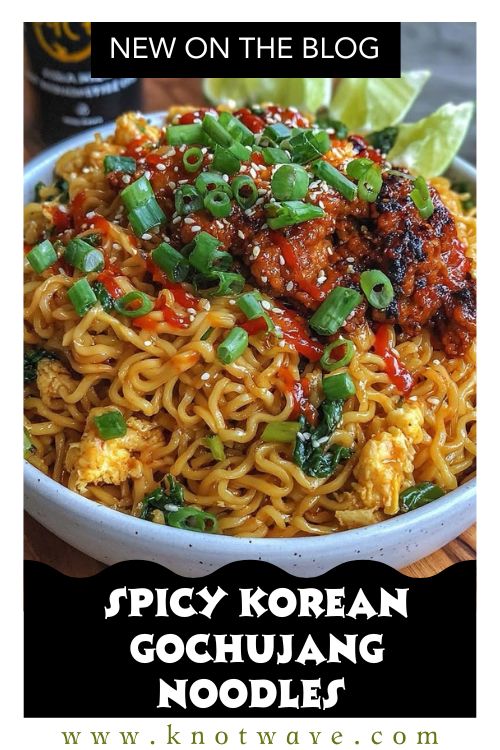
Spicy Korean Gochujang Noodles Fiery Flavorful & Addictive
Ingredients
Method
- Step 1 – Preparing the Protein
- If using chicken, tofu, or shrimp, combine soy sauce, garlic, sesame oil, sugar, and gochugaru. Marinate for 15–30 minutes.
- This step builds the first layer of flavor when cooked, the protein will be caramelized on the edges and infused with Korean-style umami.
- Step 2 – Mixing the Gochujang Sauce
- In a small bowl, whisk together gochujang, soy sauce, rice vinegar, honey, sesame oil, garlic, ginger, and water. The sauce should taste savory, spicy, and balanced, with no single element overpowering the other. Adjust sweetness or heat as desired this is your flavor control moment.
- Step 3 – Cooking the Noodles
- Bring a pot of salted water to a boil. Add noodles and cook until just al dente soft but still springy. Drain and toss with a bit of sesame oil to prevent sticking. Overcooked noodles will lose that chewy texture so crucial to Korean dishes.
- Step 4 – Stir-Frying the Base
- Heat 2 tbsp of neutral oil in a wok or large pan over medium-high heat. Add onions, carrots, and bell peppers. Stir-fry for about 2 minutes until slightly softened but still crisp.
- Add marinated protein now, searing it until cooked and golden. The combination of sweet vegetables and savory protein creates a balanced stir-fry base that will hold the sauce beautifully.
- Step 5 – Adding the Sauce
- Lower the heat slightly and pour in your prepared gochujang sauce. Let it bubble and thicken for 1–2 minutes, stirring constantly. The aroma here is intoxicating smoky, spicy, and slightly sweet. As the sauce heats, it turns glossy and clings to everything in the wok.
- Step 6 – Combining Noodles & Sauce
- Add noodles directly into the sauce mixture. Toss well using tongs until every strand is coated in that vibrant red glaze. Add a splash of broth or water if needed for silkiness. This is where the magic happens sauce meets chew, and every bite becomes an explosion of flavor.
- Step 7 – Final Touch
- Turn off the heat and drizzle with a few drops of sesame oil for aroma. Sprinkle toasted sesame seeds and chopped green onions. For the ultimate indulgence, top with a fried or poached egg the runny yolk mixes into the spicy sauce like creamy gold.
Notes
- Storage: Keep refrigerated for up to 2 days in an airtight container.
- Reheating: Heat on medium with 1 tbsp water to loosen the sauce.
- Substitutions: Use soba, udon, or spaghetti if you can’t find Korean noodles.
- Scaling: Double the sauce if making larger batches it reheats beautifully.
- Meal Prep: Chop veggies and mix sauce in advance for ultra-fast cooking.