
The Cookie Comeback Soft Sweet & Impossible to Resist
The Cookie Comeback Soft, Sweet & Impossible to Resist is what I make when I want the house to smell like something familiar again. It starts with butter softening on the counter and a mixing bowl that still carries a faint trace of vanilla from the last time it was used. The first sound is gentle, the paddle creaming butter and sugar until it turns pale and fluffy, then the kitchen shifts into that calm, baked sweet atmosphere that always feels like a small reset. The scent of brown sugar warms as it mixes, and by the time the flour goes in, the dough looks soft and plush, like it already knows it’s going to bake into something comforting.
I call it the cookie comeback soft, sweet & impossible to resist,t because it’s the kind of cookie you return to after trying a dozen trendy variations. Not because those are bad, but because a truly good soft cookie has its own quiet confidence. It’s tender without being cakey, sweet without tasting one-note, and it has that slightly caramelized edge that makes you pause for a second when you take the first bite. The center stays thick and chewy, the kind that yields softly and then melts a little as it warms on your tongue.
The best part is how unpretentious the process feels. You don’t need complicated steps or rare ingredients. You just need good butter, the right balance of sugars, and a little patience with chilling the dough so the cookies bake up thick instead of flat. When they come out of the oven, the tops look lightly crinkled and glossy, like the dough settled into place. They smell like vanilla and toasted sugar, and they taste like the cookie you always hoped you’d bake at home, soft, sweet, and genuinely satisfying in the simplest way.
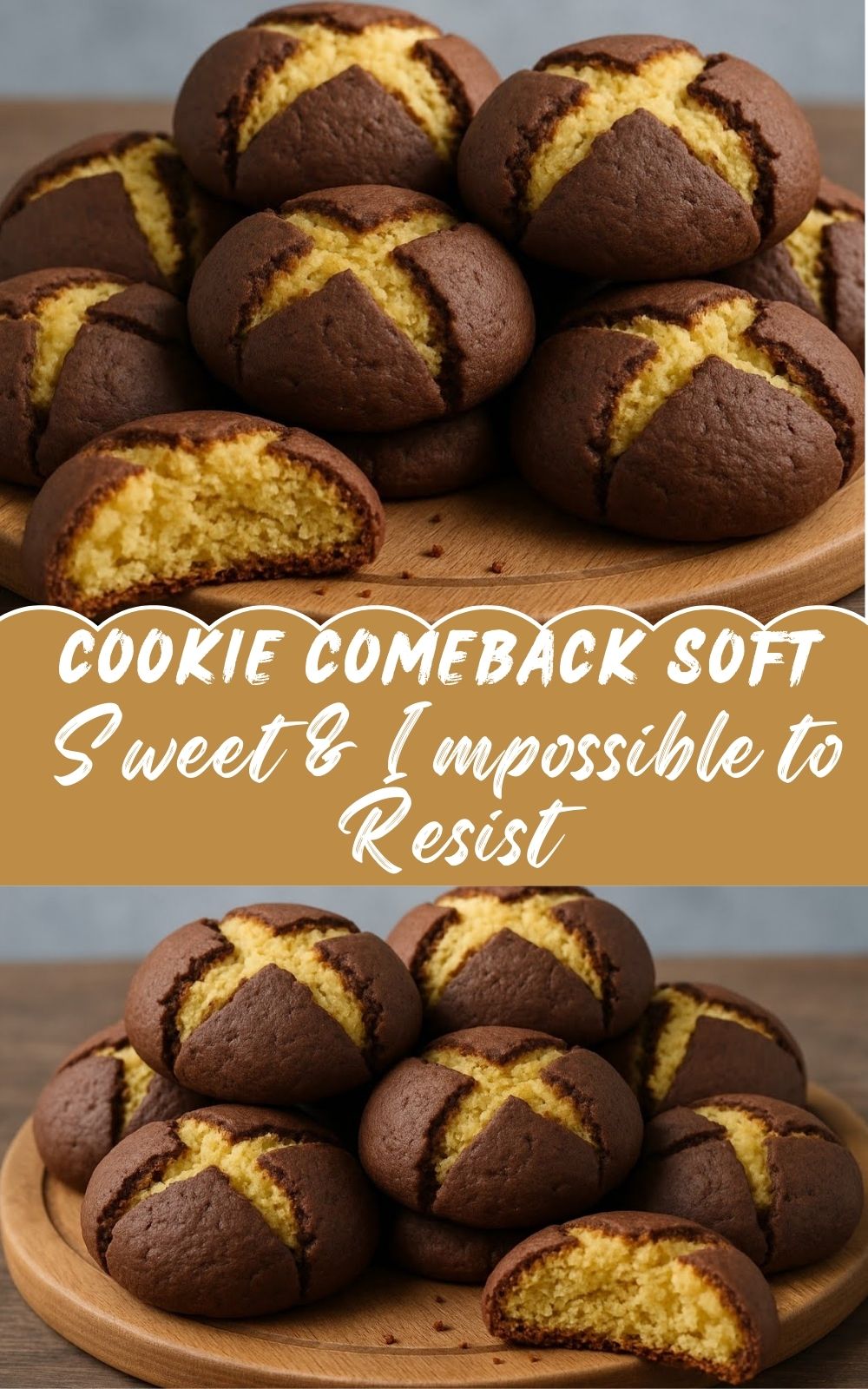
Why You’ll Love This Dessert
-
Soft centers with lightly golden, caramelized edges.
-
Buttery flavor that tastes warm and familiar, not overly sugary.
-
Thick and chewy without turning cakey.
-
Simple pantry ingredients, no complicated techniques.
-
Dough can be made ahead, so baking feels easy later.
-
Perfect for everyday cravings, but also nice for sharing.
-
Works well with mix-ins if you want chocolate, nuts, or dried fruit.
-
Stays soft for days when stored correctly.
-
The aroma alone makes the kitchen feel cozy.
-
Reliable texture no guessing once you learn the timing.
Ingredients with Notes
-
1 cup unsalted butter, room temperature (soft but not melted; this controls texture)
-
3/4 cup light brown sugar (adds chew and a toasty, caramel-like sweetness)
-
1/2 cup granulated sugar (helps edges crisp slightly)
-
2 large eggs, room temperature (blend smoothly; better structure)
-
2 tsp vanilla extract (use a good vanilla; it shows up here)
-
2 3/4 cups all-purpose flour (spooned and leveled to avoid dry dough)
-
1 tsp baking soda (lift + that classic cookie spread)
-
1/2 tsp baking powder (adds softness and thickness)
-
1 tsp fine salt (balances sweetness and deepens flavor)
-
1 tbsp cornstarch (optional but helpful for extra tenderness)
Optional mix-ins (choose one or combine thoughtfully):
-
1 1/2 cups semi-sweet chocolate chips or chunks (classic)
-
3/4 cup toasted walnuts or pecans (adds buttery crunch)
-
1/2 cup toffee bits (extra caramelized note)
-
Flaky salt for finishing (a small pinch on top makes the sweetness feel balanced)
Method
-
In a medium bowl, whisk flour, baking soda, baking powder, salt, and cornstarch (if using). Set aside.
-
In a large mixing bowl, cream butter, brown sugar, and granulated sugar for 2–3 minutes until pale and fluffy. The mixture should look soft and slightly airy.
-
Add eggs one at a time, mixing after each. Stir in vanilla. The batter should look smooth and glossy.
-
Add the dry ingredients and mix on low just until no flour streaks remain. Overmixing can make cookies tough.
-
Fold in mix-ins if using. The dough should be thick, soft, and scoopable, not sticky like cake batter.
-
Cover and chill the dough for at least 1 hour; 3 hours is even better. Chilling helps the cookies bake thicker and taste more caramelized.
-
Preheat oven to 350°F. Line baking sheets with parchment paper.
-
Scoop dough into 2-tablespoon portions (or slightly larger for bakery-style). Roll lightly into balls and place 2–3 inches apart.
-
Bake 10–12 minutes. Look for golden edges and a slightly underdone center. The tops should look set but still soft.
-
Let cookies rest on the baking sheet for 5 minutes, then finish cooking gently from the residual heat, then move to a rack to cool.
-
If you like a thicker center, gently “scoot” cookies into a rounder shape with a spoon while still warm.
-
Serve warm for the softest texture, or let them cool fully for a chewy, tender bite.
Sweetness and Texture Tips
-
If you prefer less sweetness, reduce granulated sugar by 2 tablespoons. Keep brown sugar as written for chew and flavor.
-
For extra gooey centers, slightly underbake and let the cookies set on the hot pan for a few minutes.
-
If your cookies spread too much, your butter may be too warm, or the dough wasn’t chilled long enough. Chill longer and use a cool baking sheet.
-
If your cookies feel dry, you likely measured flour too heavily. Spoon and level flour, and avoid overbaking. Pull them when the centers are still soft.
-
For a more caramelized flavor, chill the dough overnight. The sugars deepen, and the baked cookie tastes warmer and rounder.
Serving and Plating Ideas
Serve these cookies the way they’re meant to be enjoyed warm and simple. A plate of cookies with cold milk is classic, but they’re also lovely with coffee or chai when you want something cozy that isn’t heavy.
For a slightly “dessert” moment, sandwich a spoonful of vanilla ice cream between two cookies and let it soften for a minute. Or crumble one over Greek yogurt with a drizzle of honey for a sweet breakfast-like treat that still feels calm and homey. If you’re gifting, stack cookies in a tin with parchment between layers and add a small note about warming them for a few seconds before eating.
Storage and Make Ahead Notes
Store baked cookies in an airtight container at room temperature for 4–5 days. Add a slice of bread to the container if you want them extra soft; the cookies absorb a little moisture and stay tender.
For make-ahead, chill dough up to 48 hours for a deeper flavor. You can also scoop dough balls and freeze them on a tray, then transfer to a freezer bag for up to 2 months. Bake from frozen at 350°F, adding 1-2 extra minutes.
To rewarm, microwave a cookie for 8-10 seconds for that just-baked softness. If you like a slightly crisp edge, warm in a 300°F oven for 4-5 minutes.
Recipe Notes
Common mistakes and fixes:
-
Flat cookies: Butter too warm or dough not chilled. Chill longer and use parchment on a cool baking sheet.
-
Dry cookies: Too much flour or too long in the oven. Measure flour carefully and pull cookies when centers still look soft.
-
Tough texture: Overmixing after adding flour. Mix just until combined.
-
Uneven baking: Dough balls are not the same size, or the oven runs hot. Use a scoop and rotate the pan halfway through.
Substitutions and swaps:
-
Dairy-free: Use a plant-based butter that’s meant for baking. Chill the dough well since some vegan butters spread more.
-
Gluten-free: Use a cup-for-cup gluten-free baking blend. Chill longer and expect a slightly more delicate crumb.
-
Reduced sugar: You can reduce total sugar slightly, but don’t remove too much, or texture changes. Keep at least 1 cup of total sugar for structure.
Recipe Time and Details
Prep Time: 15 minutes
Cook Time: 12 minutes
Total Time: 1 hour 30 minutes
Servings: 24 cookies
Calories: Approx.
FAQs
-
Why did my cookies turn out flat instead of thick and soft?
Flat cookies usually come from butter that was too warm or dough that didn’t chill long enough. Chilling lets the flour hydrate and the butter firm up, so the cookies hold shape. Also, make sure your baking sheet isn’t warm from a previous batch. -
How do I keep cookies soft for more than one day?
Store them in an airtight container as soon as they’re fully cool. If you want extra softness, add a slice of bread to the container. The cookies absorb a bit of moisture and stay tender. Avoid leaving them uncovered, which dries them out quickly. -
Can I make the dough ahead of time and bake it later?
Yes, and it often improves flavor. You can refrigerate cookie dough for up to 48 hours. It gives the sugars time to deepen, and the cookies taste a bit more caramelized. If the dough gets too firm, let it sit at room temperature for 10 minutes before scooping. -
Why do my cookies taste dry even when I follow the recipe?
Dry cookies usually mean too much flour or slight overbaking. Flour is easy to overmeasure when it’s scooped directly from the bag. Spoon flour into the measuring cup and level it. Also, pull cookies when the centers still look soft; they set as they cool. -
What mix-ins work best without changing the soft texture?
Chocolate chips or chunks are the easiest because they melt gently and keep the cookie tender. Toasted nuts add crunch but won’t dry the cookie if you don’t overdo it. Toffee bits add a caramelized sweetness. Keep total mix-ins around 1 to 1 1/2 cups. -
Can I freeze the cookie dough for later?
Absolutely. Scoop dough into balls, freeze them on a tray until firm, then store in a freezer bag for up to two months. Bake straight from frozen at 350°F and add 2 minutes. This is a great way to have fresh cookies without mixing dough again. -
How do I get that slightly crisp edge but still keep the center soft?
Use a mix of brown and granulated sugar as written and bake just until the edges look golden. The centers should still look slightly underdone. Let them rest on the hot sheet for five minutes, so they finish gently. That timing creates crisp edges and a soft middle. -
What’s the difference between chilling for one hour versus overnight?
One hour of chilling mainly controls the spread and makes cookies thicker. Overnight chilling also deepens flavor. The dough tastes more “round” and slightly caramelized because the sugars and flour have more time to hydrate and develop. If you have time, overnight is worth it. -
Can I reduce the sugar without ruining the texture?
You can reduce granulated sugar by a couple of tablespoons, but don’t cut too much. Sugar helps cookies spread properly and stay soft. If you reduce a lot, cookies can turn more cakey or dry. If sweetness is the concern, add a pinch more salt to balance. -
How do I make cookies look more bakery-style at home?
Use slightly larger dough balls and bake one sheet at a time for even heat. When cookies come out, “scoot” them gently with a spoon to round the edges. Press a few extra chocolate chunks on top right after baking for a simple, polished look without extra effort.
Conclusion
If you’ve been craving a cookie that feels familiar and comforting, the cookie comeback soft, sweet & impossible to resist is exactly that kind of recipe. It’s buttery, softly chewy, and warm in the way only a good homemade cookie can be. Bake a batch, let the kitchen smell like vanilla and caramelized sugar, and keep a few aside for tomorrow, you’ll be glad you did.

The Cookie Comeback Soft Sweet & Impossible to Resist
Ingredients
Method
- In a medium bowl, whisk flour, baking soda, baking powder, salt, and cornstarch (if using). Set aside.
- In a large mixing bowl, cream butter, brown sugar, and granulated sugar for 2–3 minutes until pale and fluffy. The mixture should look soft and slightly airy.
- Add eggs one at a time, mixing after each. Stir in vanilla. The batter should look smooth and glossy.
- Add the dry ingredients and mix on low just until no flour streaks remain. Overmixing can make cookies tough.
- Fold in mix-ins if using. The dough should be thick, soft, and scoopable, not sticky like cake batter.
- Cover and chill the dough for at least 1 hour (2–3 hours is even better). Chilling helps the cookies bake thicker and taste more caramelized.
- Preheat oven to 350°F. Line baking sheets with parchment paper.
- Scoop dough into 2-tablespoon portions (or slightly larger for bakery-style). Roll lightly into balls and place 2–3 inches apart.
- Bake 10–12 minutes. Look for golden edges and a slightly underdone center. The tops should look set but still soft.
- Let cookies rest on the baking sheet for 5 minutes (they finish cooking gently from the residual heat), then move to a rack to cool.
- If you like a thicker center, gently “scoot” cookies into a rounder shape with a spoon while still warm.
- Serve warm for the softest texture, or let them cool fully for a chewy, tender bite.
Notes
- Flat cookies: Butter too warm or dough not chilled. Chill longer and use parchment on a cool baking sheet.
- Dry cookies: Too much flour or too long in the oven. Measure flour carefully and pull cookies when centers still look soft.
- Tough texture: Overmixing after adding flour. Mix just until combined.
- Uneven baking: Dough balls not the same size or oven runs hot. Use a scoop and rotate the pan halfway through.
- Dairy-free: Use a plant-based butter that’s meant for baking. Chill the dough well since some vegan butters spread more.
- Gluten-free: Use a cup-for-cup gluten-free baking blend. Chill longer and expect a slightly more delicate crumb.
- Reduced sugar: You can reduce total sugar slightly, but don’t remove too much or texture changes. Keep at least 1 cup total sugar for structure.